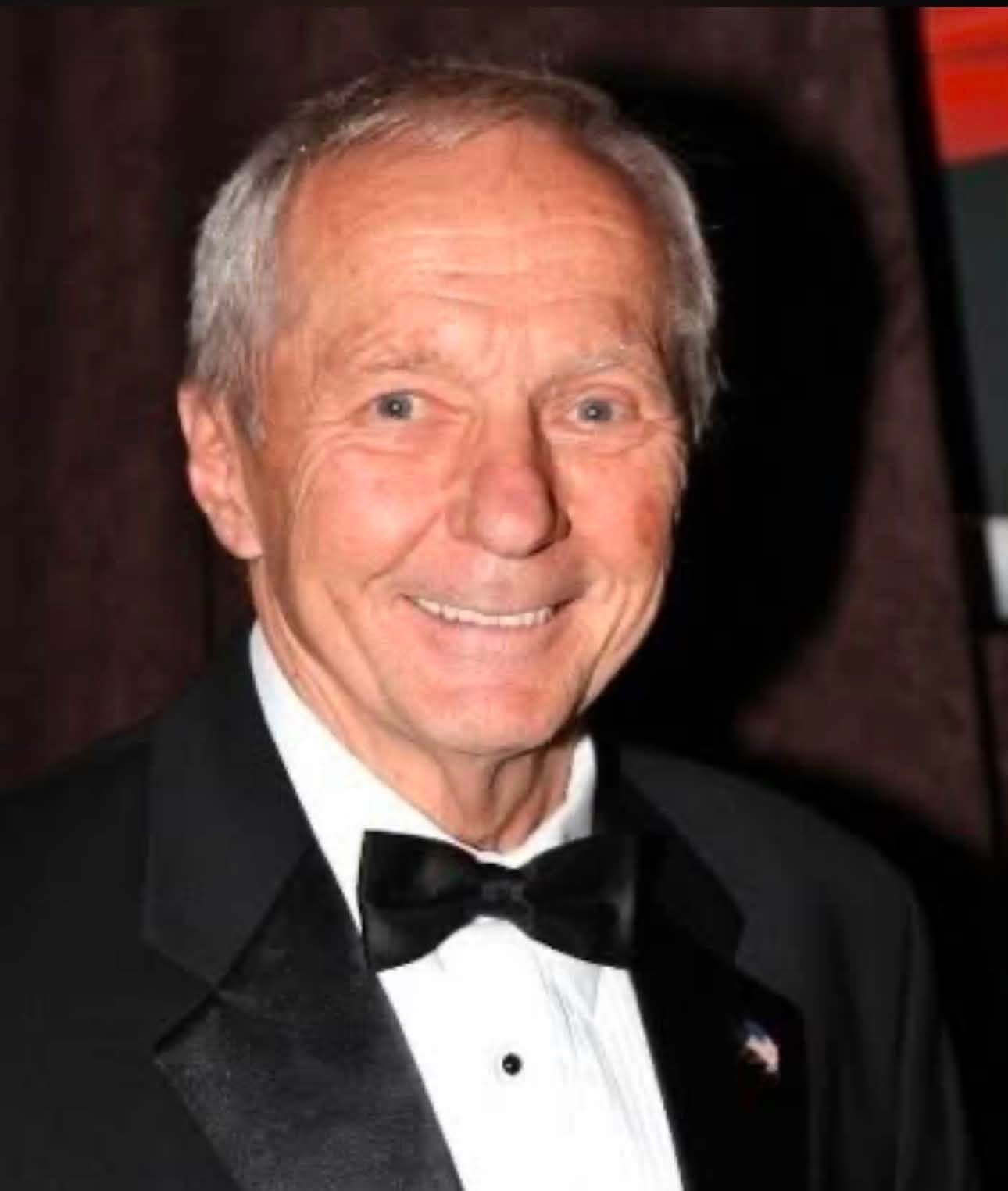
 Mr. Dennis Rogers: A Man for All People 8/30/2026 1:21 AM This is both a personal remembrance and a professional tribute to Mr. Dennis Rogers, a man whose friendship, knowledge, humor, and service helped shape the dance world I have known for more than five decades. I met Dennis in 1972 when my partner and I came from London to the USA to teach at the Arthur Murray Studio on Broadway in New York City. Very soon after that Dennis and his then wife Fran invited us to a pool party at their house in Wayne, NJ. Pretty much anyone who was anyone in the dance world within 2 hrs was there, and Dennis took great delight in introducing me to the movers and shakers. I’ll never forget that party, a great boisterous conglomeration of dancers with much liquid refreshment. Meeting Frank Regan, dancing the mambo with him on the pool deck, and then watching him explain and demonstrate his version of the paso doble with a wet towel while standing on the diving board and, having celebrated the spirit of Scotland,. Of course, the inevitable happened with a mighty splash and much hysterical laughter. Following that came a memorable ride in Dennis’s Ford Model T; he wouldn’t let me drive it, though, said I had had too much libation… I had too much!!! Thus started a friendship that lasted from the summer of 1972 until the summer of 2026, an astounding 54 years. Dennis Was There… Dennis was a Renaissance Man in every sense of the words, one of the founding fathers of competitive dance in the United States as we know it today. He was there from the beginning, working on the front lines to help build the foundation of the strong, healthy industry we know today. Dennis was there. Dennis was there as a young teacher at the famous Arthur Murray Dance Studio on 43rd St. in New York City during the late 1960s, where he was able to meet Mr. Murray. As a young dancer, this was a highlight of his career that he always loved to speak of. Dennis was there as part of what was originally known as the National Council of Dance Teachers Organizations, NDCDTO, and which ultimately morphed into the National Dance Council of America Inc., the NDCA we know today. Dennis was there when the first United States Championships was inaugurated and held in New York City in 1972, and this year’s event, just over two weeks away at the time of his passing, this would have been his 54th year of attendance. Dennis was there when the independent United States Imperial Society of Teachers of Dancing (USISTD) was founded. Indeed, Dennis signed the contract in England along with Alex Moore in 1976 thereby creating the USISTD as a truly independent teaching organization. While based in the ISTD principles and technique, USISTD was no longer simply a branch of the Imperial Society of Teachers of Dancing (ISTD) in America, and Dennis wrote the brand new USISTD constitution and rules of operation. Of course he did, who else. My own positions as former President of USISTD and now Chairman of the USIBDA Board of Trustees, together with my long tenure as the First Vice President of the NDCA, are all down to Dennis. Having just opened a new stand-alone studio with Ballet, Jazz, Tap, Modern Dance, as well as Ballroom and Latin coaching and teaching, the very last thing I had in mind when he approached me was to become embroiled in the operation of any dance organization, its problems, and its politics. Where would the time come from? What can I say, Dennis was there, and he could be very persuasive. A Man to Remember A sharp understanding of Robert’s Rules, and of what made committees work, Dennis loved to help, to give advice, to teach and instill only the very best principles to the generations of dancers, organizers, scrutineers, judges his advice, and which included while he was watching his favorite sports teams, the NY Yankees and the NY Giants. It’s unfortunate that they did not hear him, who knows where their stats would have been. You name it. Dennis was right there freely giving the best advice to anyone that asked him for it, or sometimes even when they didn’t. He was always a fair and intelligent source of help and guidance. His soft manner, wicked sense of humor, the way his eyes sparkled and that little laugh, his kind and gentle demeanor together with his great depth of knowledge in so many unrelated scientific fields made him a remarkable man and a true polymath. Over the years of our working together, Dennis had a lasting impact on me. Did we agree on everything over these 54 years? Absolutely not! We disagreed on many things without being disagreeable. We came to see eye to eye on some, others we accepted an attitude of to-each-his-own let’s move on. For me, and for so many others, Dennis was there—and because he was, the dance world is stronger, kinder, and better guided all because… DENNIS WAS THERE. RIP my friend, With love Judi |
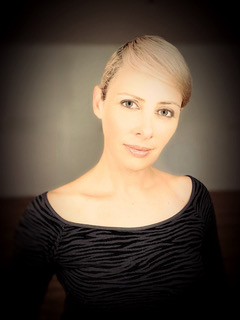 USIBDA Around the World: Sharon O’Neill 8/31/2026 6:14 PM USIBDA is proud to have an international presence through our examiner, Sharon O’Neill, in Australia. A respected leader in the Australian ballroom community, Sharon has recently been appointed Head of the new American Style division of the Society of Australian Teachers of Dance (SATD) and has been named the organization’s official examiner for Smooth & Rhythm, utilizing the USIBDA Examination & Medal System. In addition to her work as a USIBDA Examiner, Sharon is an Affiliate Member in Standard Ballroom and serves as a Director on the SATD Board. Through these roles, she is helping promote professional examinations and recognized student medal programs in Australia, creating opportunities for dancers to set and achieve meaningful goals beyond the competitive ballroom pathway. We are excited to support Sharon as she brings the values of dance education, professional development, and examination to the Australian dance community—and as she helps build a growing international presence for USIBDA. |
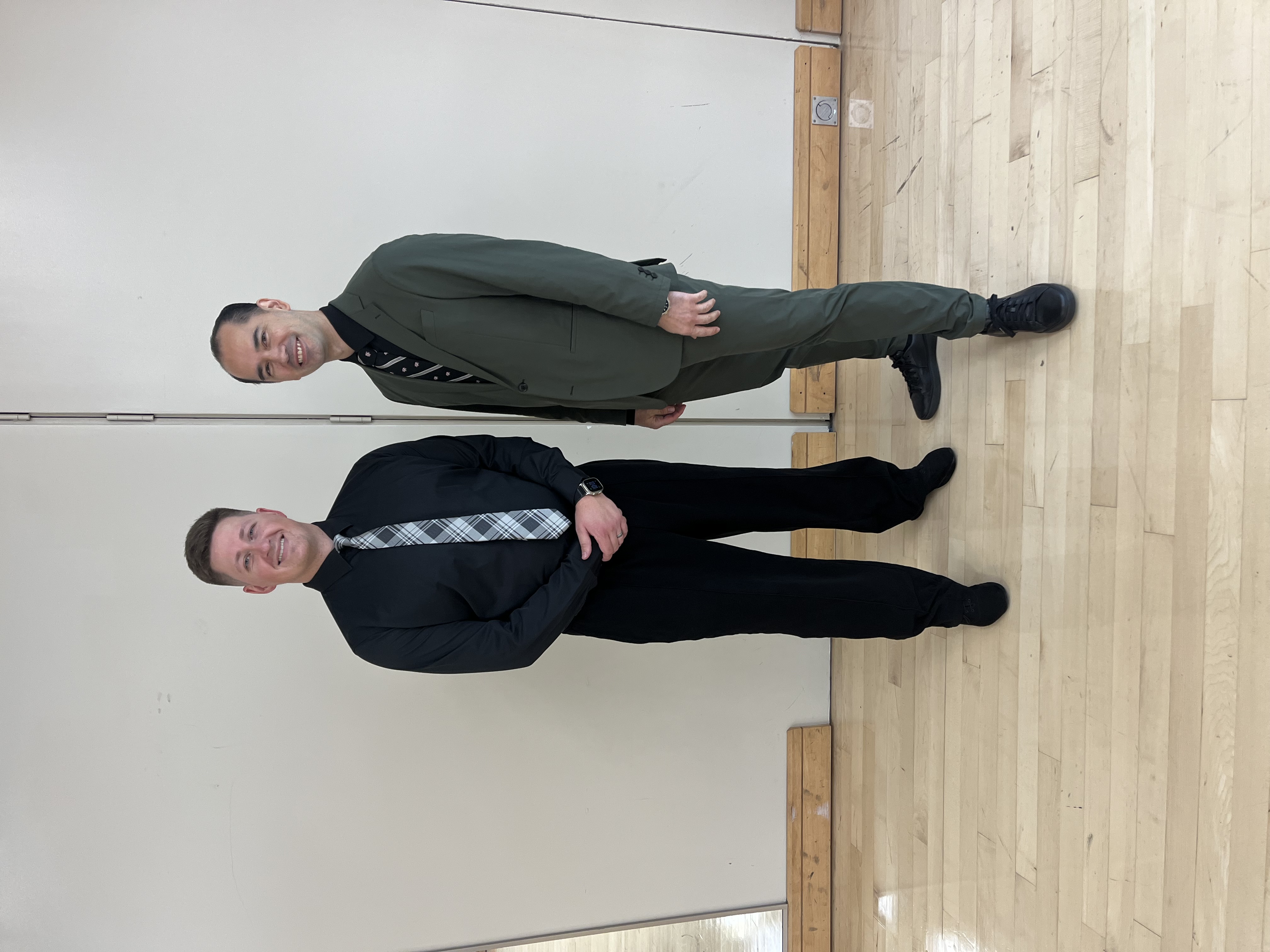 Ryan Podzikowski adds to his accomplishments! 8/23/2026 7:57 AM On August 15, 2025, member Ryan Podzikwski took a long exam encompassing both Associate and Member levels in International Ballroom. This added to his already existing credentials as a professional dance instructor. Anytime anyone takes an exam it is impressive. When they do two at once? It's remarkable. Great job of rising to the challenge! We look forward to having you come back when you're ready to add even more credentials. |
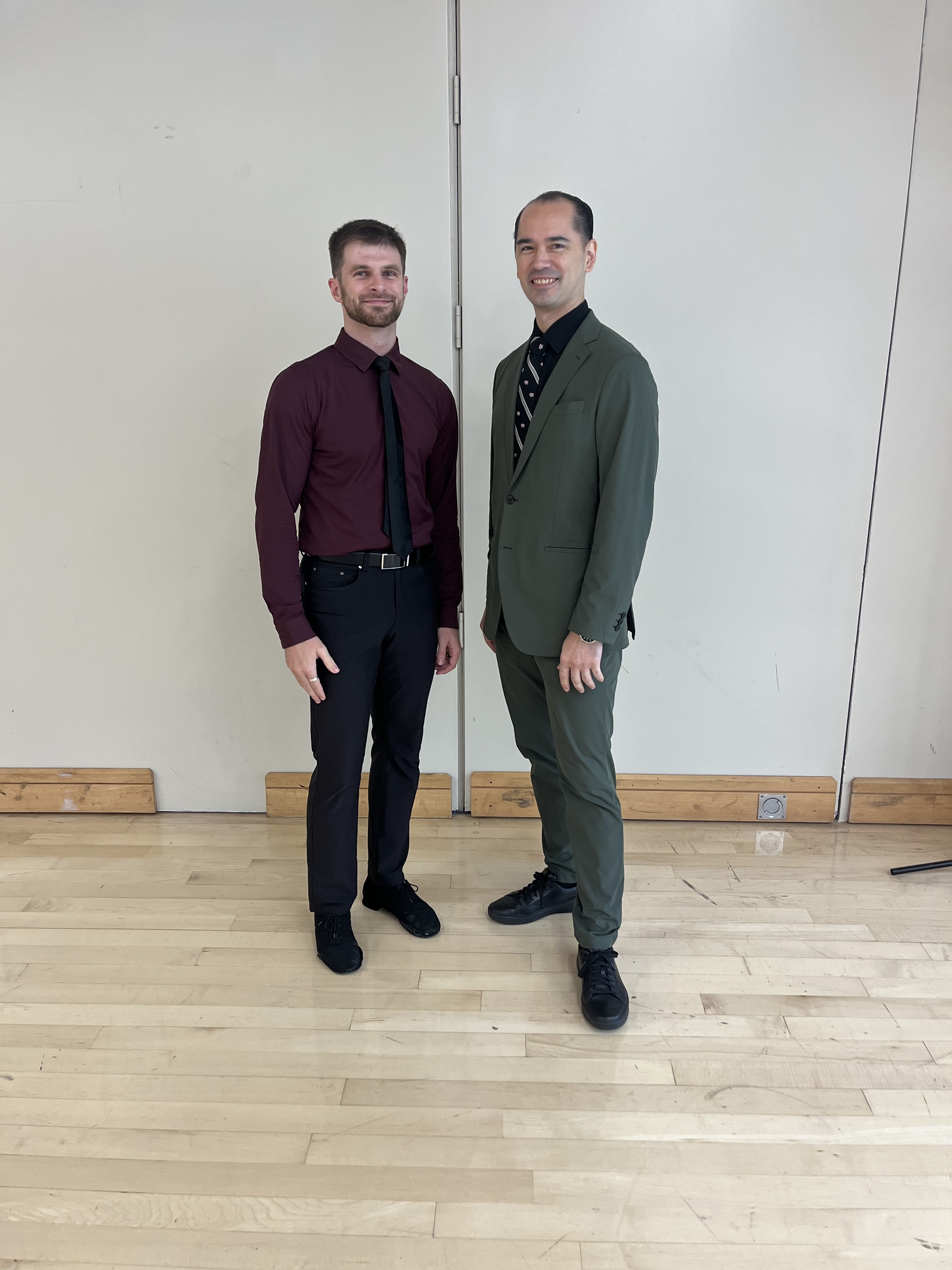 Logan Barnes joins as one of our newest members! 8/23/2026 7:49 AM On August 15, 2026, Logan Barnes completed one long exam, covering both Associate and Member levels in International Ballroom. This is a remarkable accomplishment for anyone, but even more impressive given it was Logan's first exam with us. He trained with Allie Spinder and was examined by Michael Choi. Welcome - we're happy you've joined us! |
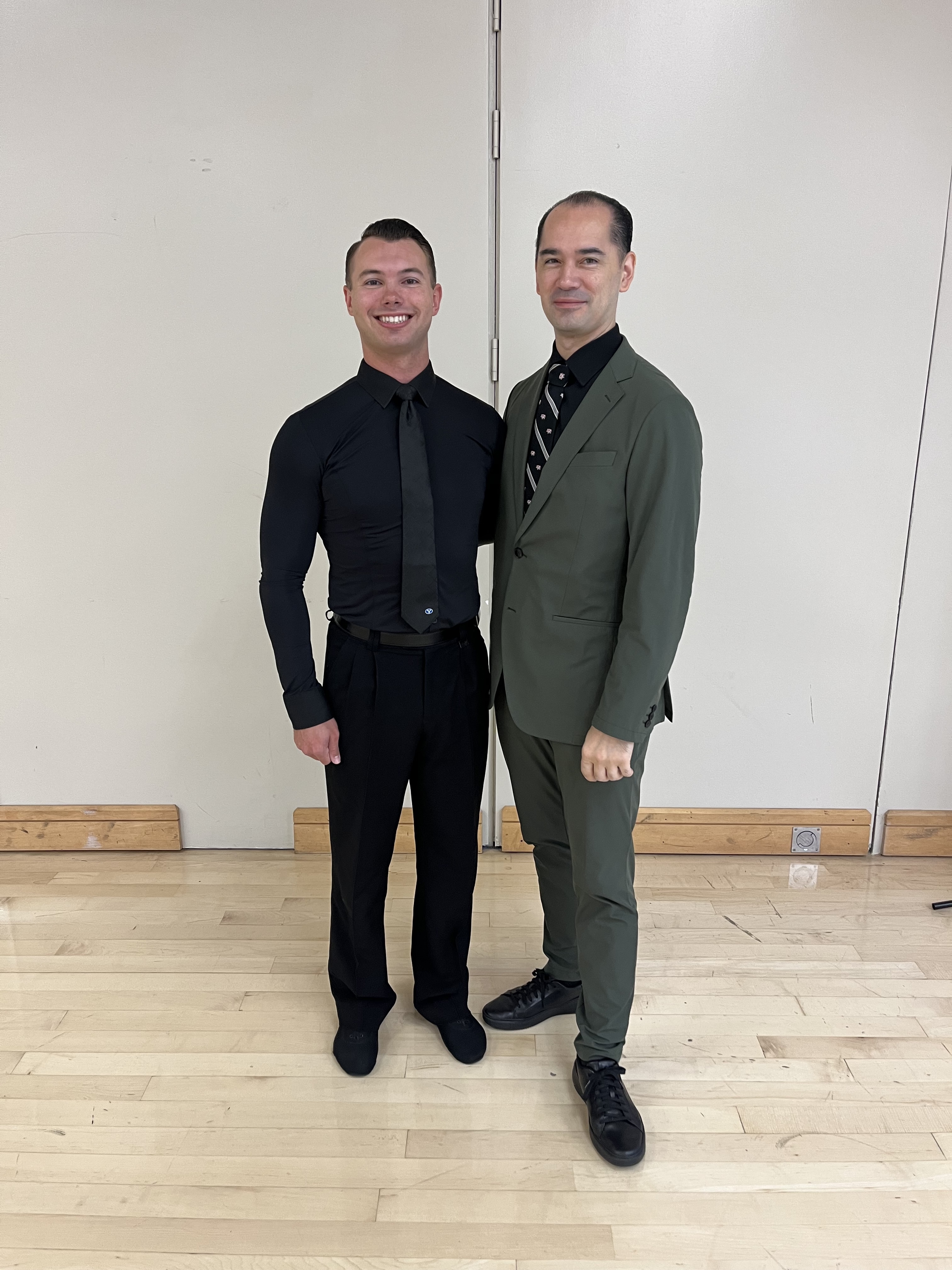 Welcome to Jacob Knight! 8/23/2026 7:42 AM If you've taken an exam with us, you know how much time and effort goes into it. As you can imagine, taking an exam for two levels at once - Associate and Member - is that much more difficult. Jacob Knight did just that on August 15, 2026, and rose to the occasion. Congratulations to Jacob! We're happy to have you with us. |
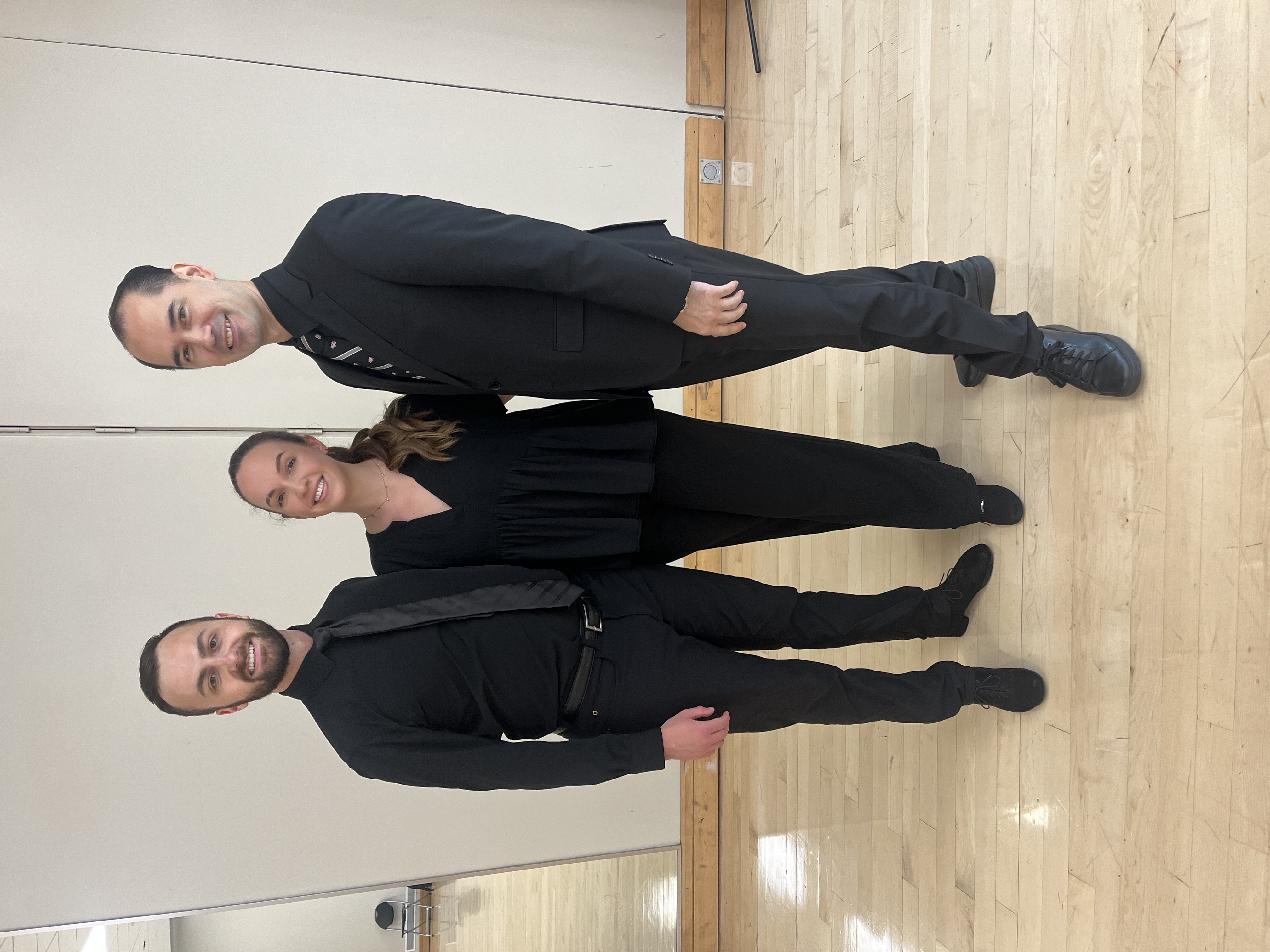 Logan and Leah McNatt become new members! 8/23/2026 7:36 AM Logan and Leah McNatt each completed concurrent exams in international Ballroom on August 14. After being coached by Allie Spinder at BYU, they were granted permission to be examined in both Associate and Member levels by Examiner Michael Choi. That is a lot of work and a long exam for each of them, but their efforts paid off. Congratulations and welcome! |
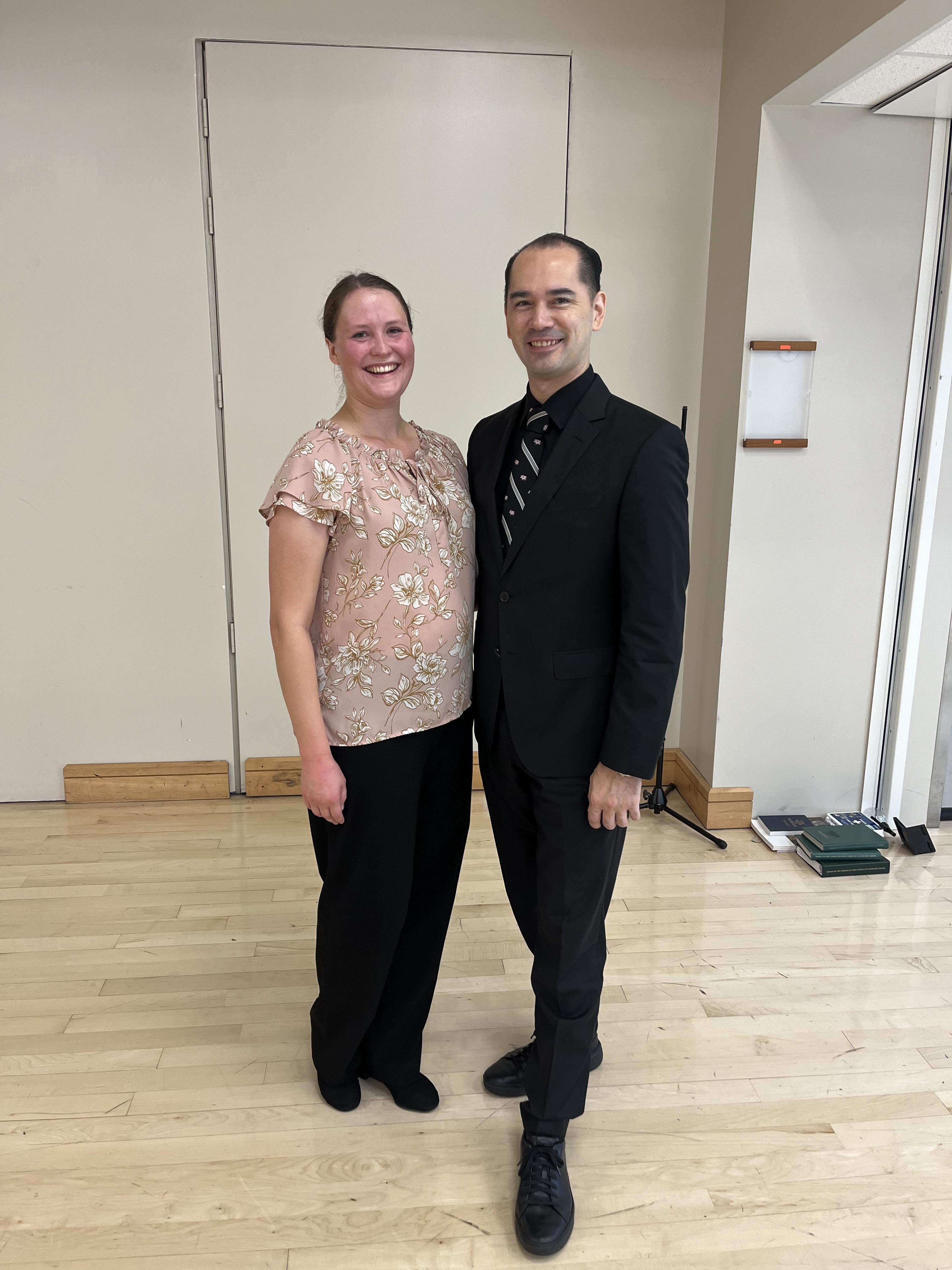 Jennifer Warnock adds to her credentials! 8/23/2026 7:28 AM On August 14, 2026, Jennifer Warnock took a concurrent Associate / Member exam in International Ballroom. Michael Choi was the Examiner. Anyone who has taken an exam knows studying one level is hard enough. Jennifer took on the challenge of being tested in two levels in one session, and rose to the occasion very well. Congratulations on a job well done! Keep those accreditations growing! |
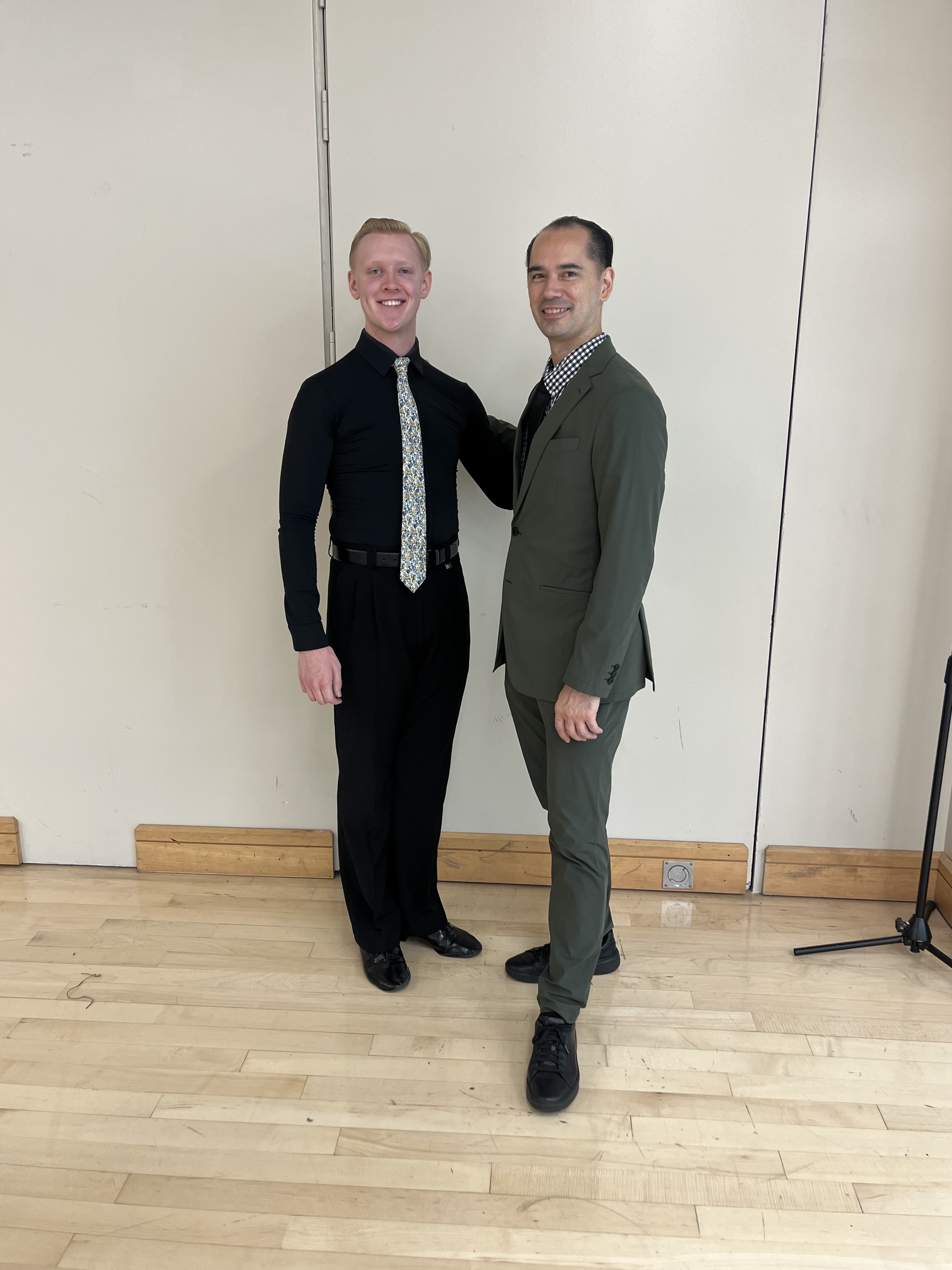 Welcome to new member, Jaxon Humphrey! 8/23/2026 7:23 AM Jaxon Humphrey trained at BYU with Allie Spinder, and took a concurrent Associate / Member level exam on August 13, 2026, in International Ballroom. Being tested in two levels in one long exam is not an easy feat. Congratulations and welcome to Jaxon! |
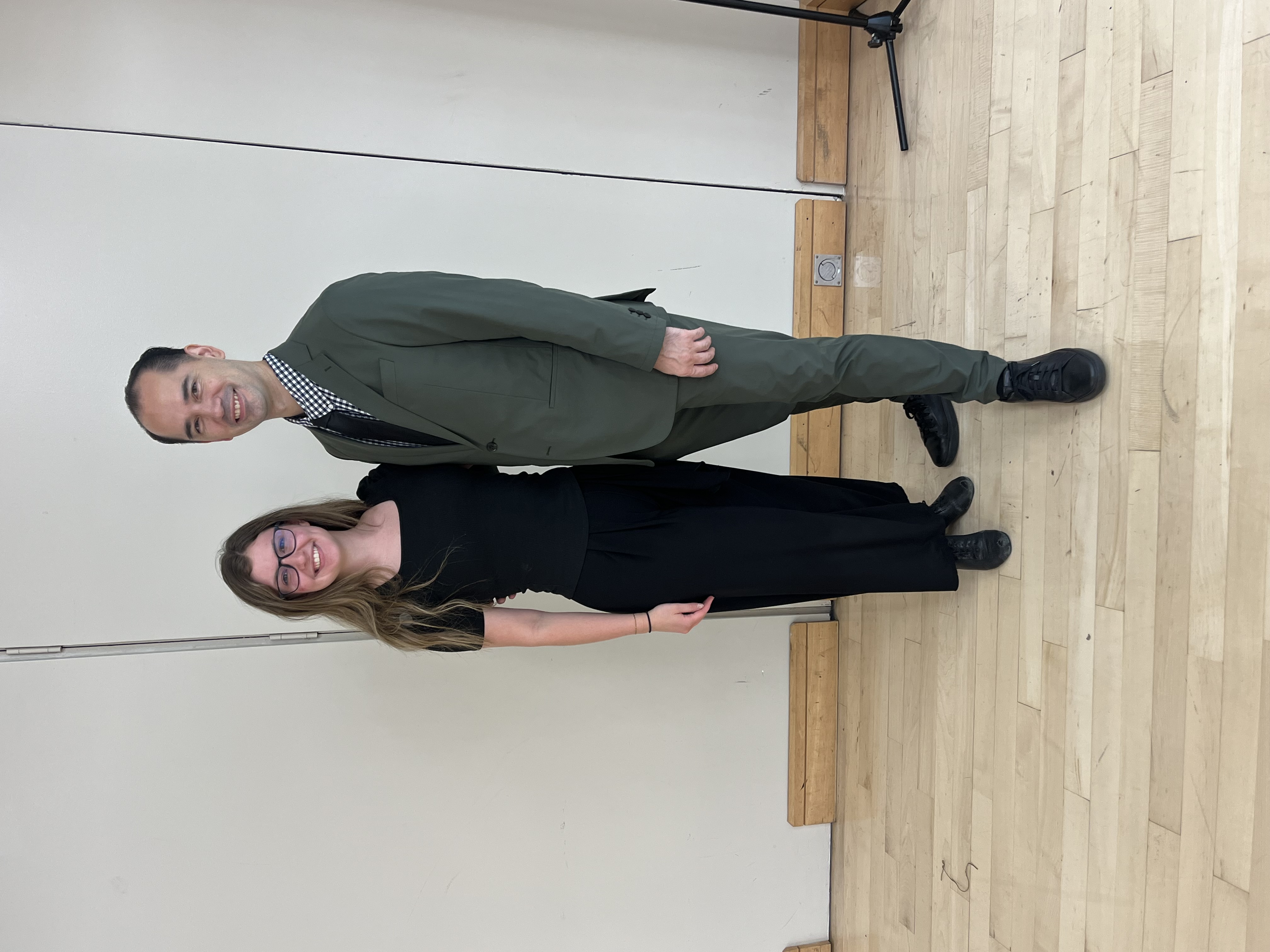 Danika West is a new member! 8/23/2026 7:14 AM On August 13, 2026, Danika West took her first exam with USIBDA, administered by Examiner Michael Choi. Actually, it was her first two exams, since she requested to do her Associate and Member level exams in International Ballroom concurrently. Studying two levels for your first time out can be daunting, but Danika handled it well. Great job! |
 The Psychology of Connection in Partner Dancing 8/5/2026 8:09 AM The Psychology of Connection in Partner Dancing In partner dancing, both technique and connection are equally important. Whether performing a slow waltz or a sharp dramatic tango, what truly captivates an audience is not merely synchronized movement but the invisible bond between two people moving as one. This connection is not accidental but rather it is deeply rooted in the psychology of human emotion where a series of dance steps are transformed into a compelling and expressive performance. At its core, connection in partner dancing is a form of nonverbal communication. Unlike verbal interaction where words convey meaning, dancers rely on subtle physical cues such as pressure, timing and body alignment to communicate with one another. The leader initiates movement as the follower interprets and responds to create a continuous feedback loop. This dynamic mirrors everyday interpersonal communication where listening is just as important as speaking. A successful dance partnership requires both individuals to be highly attuned to each other’s signals. This fosters a shared awareness that psychologists often refer to as “interpersonal synchrony.” This synchrony is more than just coordination. It is a state of mutual responsiveness that can create a sense of unity. Studies in social psychology suggest that when people are moving together harmoniously, they are more likely to feel connected, cooperative and even empathetic toward one another. This phenomenon is amplified in partner dancing. As dancers match rhythm, breath and movement quality, they often experience a feeling of flow. This is a psychological state in which individuals become fully immersed in an activity. In flow, self-consciousness fades, time seems to shift and the partnership feels effortless. This is why experienced dancers often describe a great dance as something that just happens rather than something they consciously control. Trust is another fundamental psychological component of connection. In dances like the Foxtrot, where smoothness and continuity are essential, the follow must trust the lead’s guidance completely. Similarly, the lead must trust that the follow will respond accurately and maintain their own balance and timing. This mutual reliance builds a form of psychological safety. Without trust dancers may hesitate, overthink or resist movements, disrupting the flow of the dance. With trust they can take risks, adding styling, expression and spontaneity that elevate the performance. Emotional expression also plays a critical role in connection. Partner dancing is not just about executing steps but also conveying feeling. Each dance style carries its own emotional tone, e.g., romance in the Rumba, joy in the Cha Cha and intensity in the Tango. When both partners commit to expressing these emotions, they create a shared narrative that enhances their connection. This emotional alignment requires vulnerability as dancers must be willing to project feelings outward and respond to their partner’s emotional cues. In this sense, partner dancing becomes a form of emotional dialogue, where authenticity strengthens the bond between dancers. Another psychological aspect of connection is the role of attention. In everyday life, attention is often divided as it is split between electronic devices and other external distractions. Partner dancing demands complete presence. Dancers must focus on their partner, the music and their own body simultaneously. This heightened awareness fosters mindfulness, a state of being fully engaged in the present moment. When both partners are truly present their connection deepens as there is no room for distraction or disengagement. Interestingly, the concept of connection in partner dancing also challenges traditional ideas of control. While one partner typically leads, effective leadership is not about dominance but rather clarity and sensitivity. A good lead does not force movements but invites them, thereby leaving space for the follower’s interpretation. Likewise, a skilled follower is not passive but actively contributes to the dance through responsiveness and expression. This balance reflects a more modern understanding of relationships where collaboration replaces hierarchy and mutual respect drives interaction. Physical touch is an essential element of partner dancing that further enhances psychological connection. Human touch has been shown to release oxytocin, a hormone associated with bonding and trust. Even in a structured dance frame this physical contact can create a sense of closeness and comfort between partners. However, this also requires awareness and respect for boundaries as comfort levels with touch can vary widely. Skilled dancers learn to adjust their connection to suit their partner, demonstrating empathy and adaptability. Finally, connection with partner dancing extends beyond the dancers themselves. Audiences can perceive when a couple is truly connected. They often describe such performances as captivating. This is because humans are naturally attuned to social cues and emotional authenticity. When dancers share a genuine connection, it resonates outward and draws viewers into the experience. In conclusion, the psychology of connection in partner dancing is a rich interplay of communication, trust, emotion, attention and physical awareness. It transforms a sequence of steps into a meaningful interaction that elevates the dance from a technical skill to an expressive art form. Whether on a competition floor or a social dance setting, the attraction of partner dancing lies not in perfect execution but rather in the invisible bond that unites two individuals in motion. |
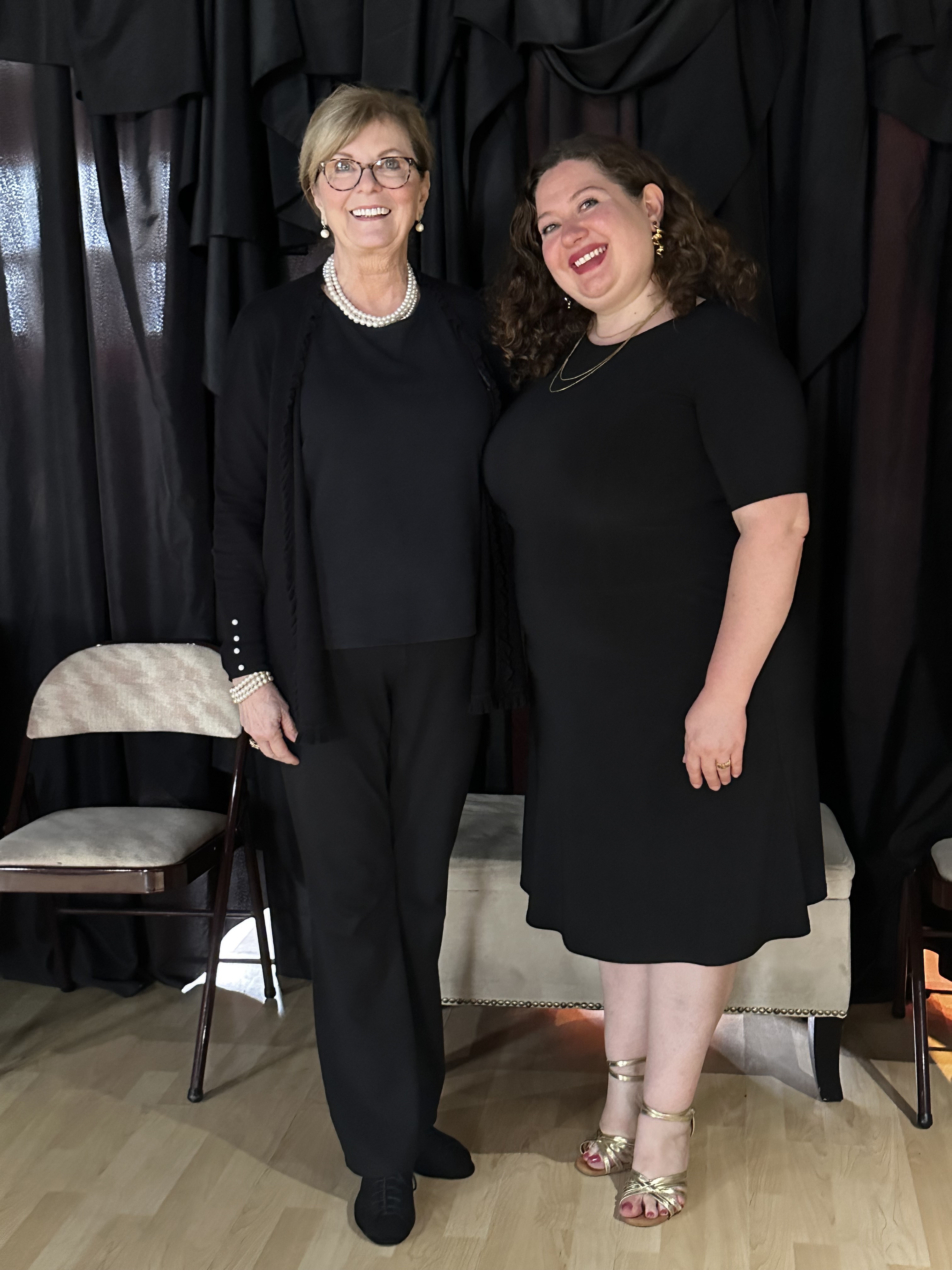 Congrats to our newest member, Dorina Kastrati! 7/3/2026 2:54 PM On June 17, 2026, Dorina Kastrati took her very first professional exam with USIBDA. That's a huge step, and hopefully it is just the first of many pro exams to come. The exam was taken at Dance With Us Studio in Syosset, NY, and was administered by Lori Woods Gay. Lori and Dorina are shown here on exam day. Dorina was trained by Stephanie Falciano. Congratulations, Dorina, job well done! Hope to see you back for your next exam soon. |
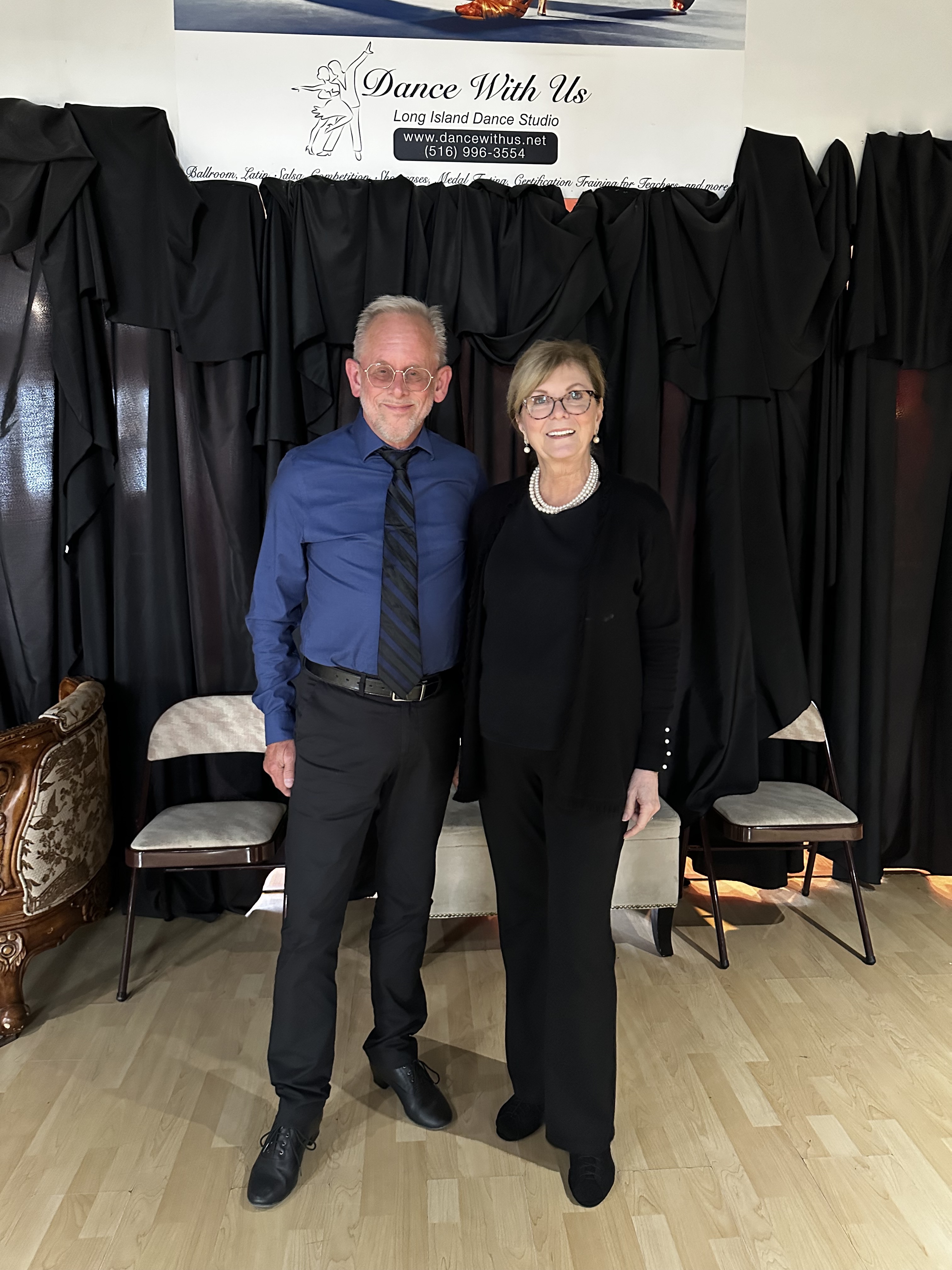 Ken Broggelwirth adds to his credentials! 7/3/2026 2:46 PM Ken Broggelwirth has shown his versatility by becoming the latest member to hold professional degrees in International Ballroom and Latin, as well as American Smooth and Rhythm. He completed his Associate Rhythm exam on June 17, 2026, at Dance With Us Studio in Syosett Studio, with Lori Woods Gay as the Examiner. Ken and Lori are shown here on the day of the exam. Ken teaches at the studio, and was trained by Stephanie Falciano. Congratulations! |
 Thank You Dana Edwards 7/1/2026 12:29 PM We want to extend a special note of gratitude to Dana Edwards as she steps down from the USIBDA National Committee. Dana has generously devoted many years of dedicated service to our organization, bringing unmatched enthusiasm, professionalism, and a deep commitment to strengthening our Society. Her contributions have left a lasting impact, and we are incredibly grateful for the time, energy, and passion she has shared with us. Please join me in offering our sincere thanks and best wishes to Dana as she begins this exciting new chapter. |
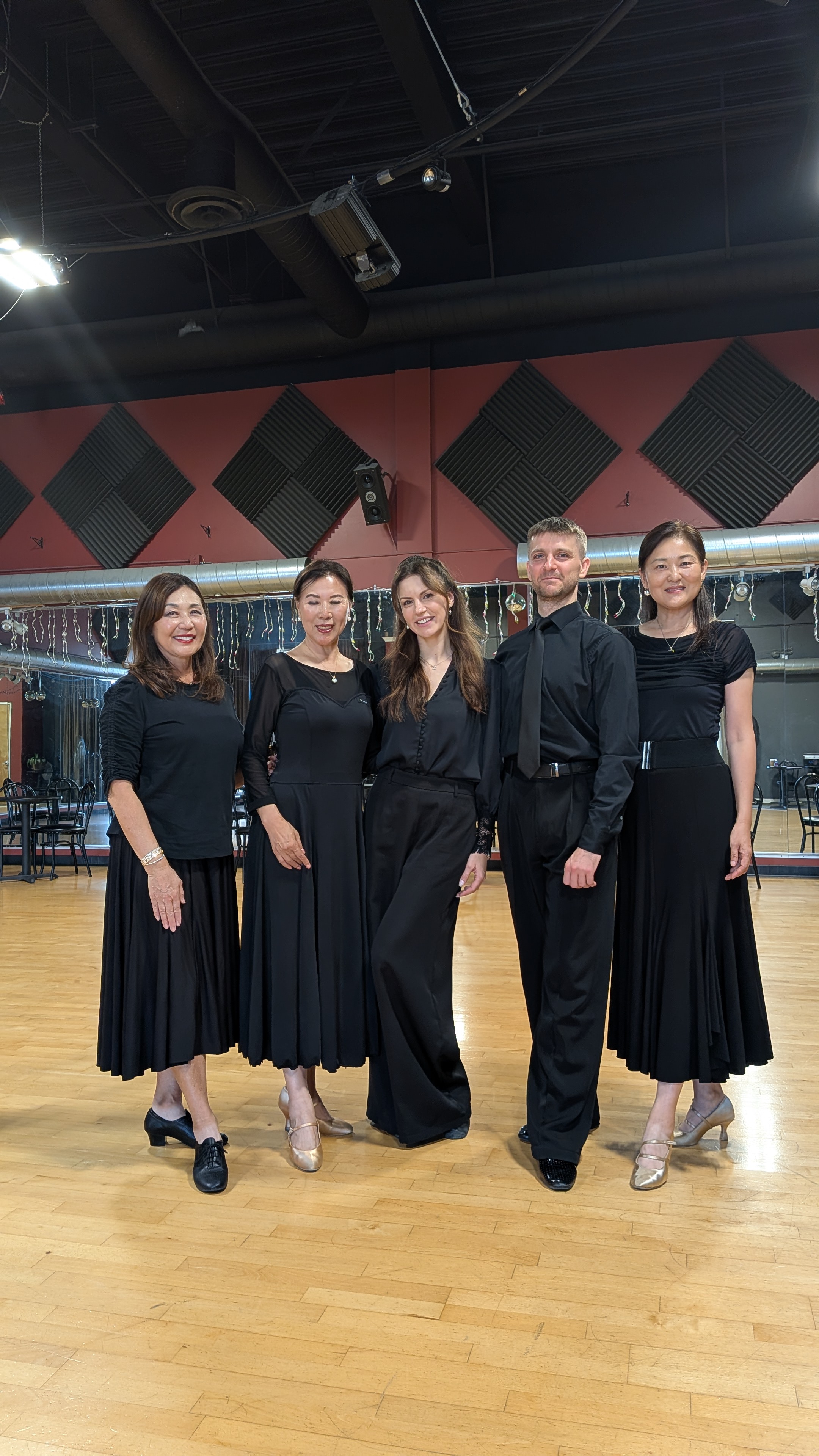 Club One Studio Medal Tests 6/29/2026 12:53 PM On June 26, 2026, adult students at Club One Studio in Costa Mesa, CA each completed between three and six Medal tests, earning 5 medals between them. Everyone did an impressive job! Pictured here, left to right: Isako Takada, Connie Li, Examiner Anastasia Muravyeva, Teacher Michael Towliszew, Jane Shi. Not pictured: Sheri McDonald. Congratulations to all! Hope to see you back again soon. |
Musicality in Ballroom Dance - Richard Fiore 6/13/2026 1:27 PM Musicality is the ability to hear, interpret and physically express music through dance. Rather than merely counting beats, dancers learn to understand the deeper structure and emotional qualities of the rhythm. Music contains several elements that dancers must interpret. They are rhythm, tempo, phrasing, accents, and mood. Each of these elements provides cues that guide how dancers move, when they move, and how they express their choreography. For instance, the graceful rise and fall of Waltz mirrors the sweeping, romantic character of its music. In contrast, the sharp, dramatic rhythm of Tango inspire sudden pauses, quick direction changes, and intense expressions. When dancers develop musicality, they stop thinking only about the mechanics of the steps and begin to focus on how those steps communicate the music’s story. The first step toward musicality is mastering rhythm. Every ballroom dance has its own rhythmic pattern. Dancers must align their movements precisely with the music’s beat. For example, Foxtrot is often characterized by a ‘slow–slow–quick–quick’ rhythm, producing a smooth and gliding feeling across the dance floor. In contrast, Cha-Cha is known for its lively ‘1, 2, 3 4, &’ syncopated rhythm, which gives the dance its playful character. Dancers who understand these rhythmic structures can maintain consistent timing while also experimenting with subtle variations. Advanced dancers often stretch or compress certain movements slightly, to highlight musical accents, creating a more expressive performance. Timing also helps dancers maintain synchronization with their partner. Since ballroom dancing relies heavily on coordinated movement between two people, both partners must share a clear sense of the beat and rhythm. Music is rarely just a continuous stream of beats. Instead, it is organized into phrases, much like sentences in language. A phrase typically lasts 8 or 16 beats and often ends with a subtle musical resolution. Skilled ballroom dancers learn to recognize these phrases and shape their choreography accordingly. They might begin a dramatic movement at the start of a phrase or finish a turn just as the phrase resolves. When dancers align their movements with musical phrasing, their performance is more intentional and consistent. Their choreography becomes synchronized with the music. This awareness is especially important in dances such as Quickstep, where rapid movements and lively rhythms require dancers to remain highly aware of musical structure. Another key aspect of musicality involves recognizing musical accents or moments where the music becomes louder, sharper, or more dramatic. These accents provide opportunities for dancers to emphasize particular movements. For instance, a strong beat might inspire a sudden stop, a dramatic pose, or a sharp head turn. A softer musical passage may encourage slower, more fluid movements. In dances like Rumba, dancers often use pauses and elongated movements to highlight emotional moments in the music. These subtle choices can make a routine feel more expressive and intimate. By paying attention to accents, dancers transform their performance into a dynamic interpretation of the music rather than a rigid sequence of steps. Every ballroom dance style carries its own emotional tone and character. Musicality involves understanding these characteristics and expressing them through movement. Waltz conveys elegance, romance, and sweeping motion. Its flowing music encourages smooth transitions and graceful rises and falls. Conversely, Tango is intense and dramatic. The music’s sharp rhythms inspire bold steps, sudden stops, and expressive body lines. Dances such as Cha-Cha and Rumba, emphasize rhythm, flirtation, and emotional storytelling. Dancers must project confidence, playfulness and romance depending on the mood of the music. Ballroom dancing is unique because it is built on a partnership between two individuals. Therefore, it involves responding to the music as well as to one’s partner. The lead and follow relationship depends on clear communication through body movement, timing and connection. When both partners share strong musical awareness, their movements appear effortless and synchronized. A skilled leader may adjust timing slightly to highlight a musical accent, while the follower responds intuitively. This shared interpretation creates a sense of unity that is essential to successful ballroom dancing. In many ways, musicality becomes a three-way conversation between the music, the leader, and the follower. As in any dance skill, musicality can be developed with practice and attention. Many dancers improve their musical interpretation through several key habits. They listen to ballroom music frequently, even outside of dance practice. This helps them become familiar with common rhythms and structures. They often practice identifying phrases and accents in music. By counting beats and bars, they can recognize transitions and gain a deeper understanding of how music is organized. Watching professional performances is another valuable tool. Observing experienced dancers can reveal how subtle timing adjustments, pauses, and expressive movements enhance musical interpretation. Finally, dancers can experiment during practice sessions by exploring different ways to express the same piece of music. A simple step may be performed softly, sharply, or dramatically depending on the musical context. Over time, these experiences help dancers internalize the music so thoroughly that their movements become instinctive responses rather than calculated decisions. |
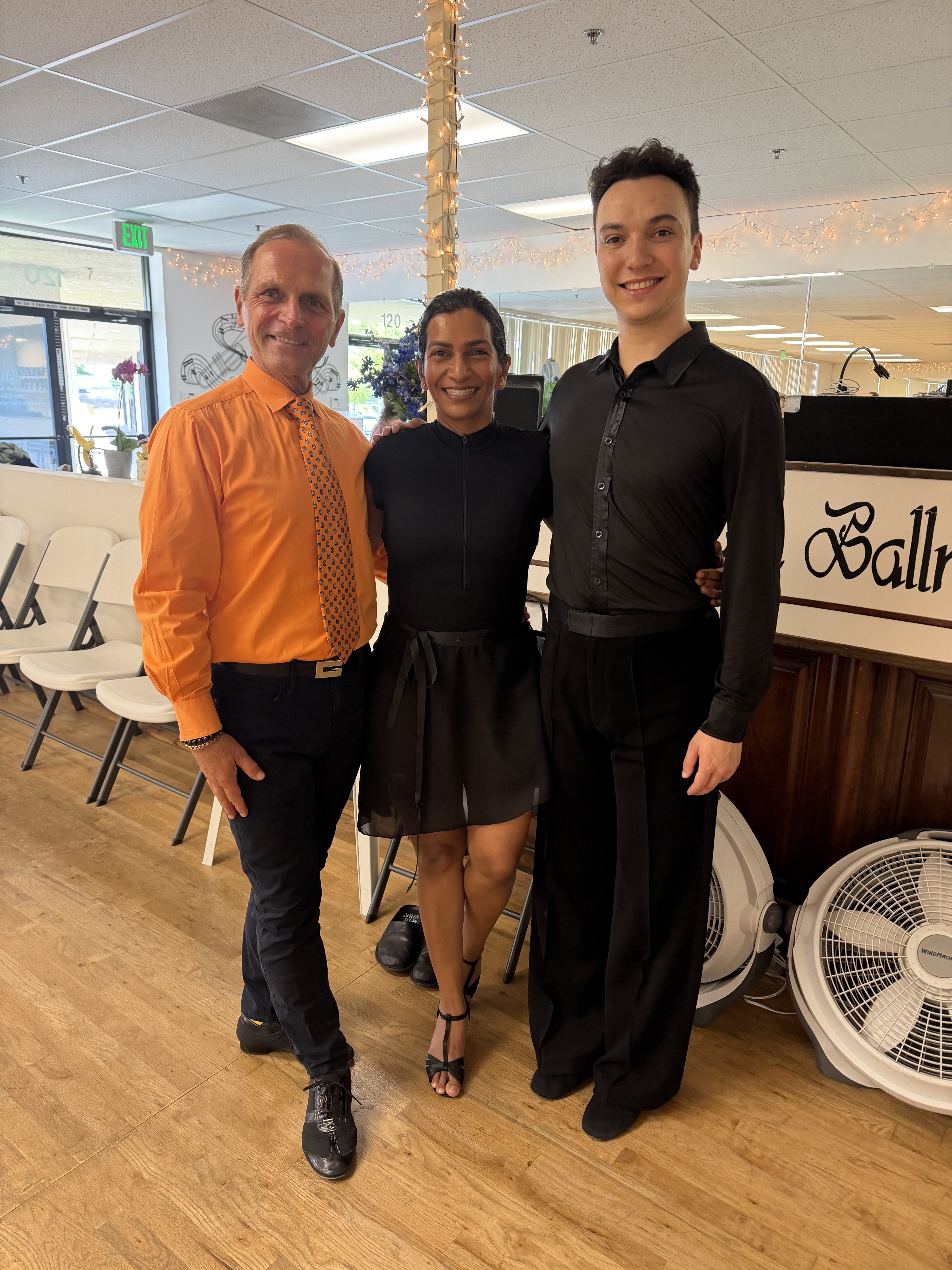 Pradeepa Nonis latest medalist! 5/28/2026 11:40 AM On May 27, Pradeepa Nonis took her first USIBDA Medal Tests! She danced three International Latin dances, and earned a bronze medal. Congratulations to Pradeepa! She is pictured here with Examiner Stephan Krauel, and her trainer Dante Camacho. We are looking forward to her next medal tests whenever she is ready. |
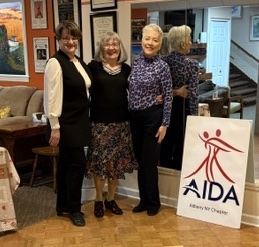 Albany NY USIBDA Chapter holds medal test session 5/5/2026 8:32 AM At the annual medal test session for the Albany NY chapter of USIBDA, four people were scored on a total of 24 dances. Congratulations to Louise Giuliano, Ruth Nappe, Susan Nelson, and Richard Wooding! Louise and Ruth both completed tests as both Leader and Follower. Susan and Richard both completed their tests for certain styles at specific levels, meaning next year we'll be looking forward to them moving up a level. A special thank you to Jeannette Roundy for partnering Richard in some of his dances. Everyone did a great job! |
 How to Become a Certified Teacher - Adjudicator 4/13/2026 10:37 PM In this full day of Workshops you will learn from the best in the industry on how to become a Certified Teacher and also Certified Adjudicator through any organization. 2026 Schedule |
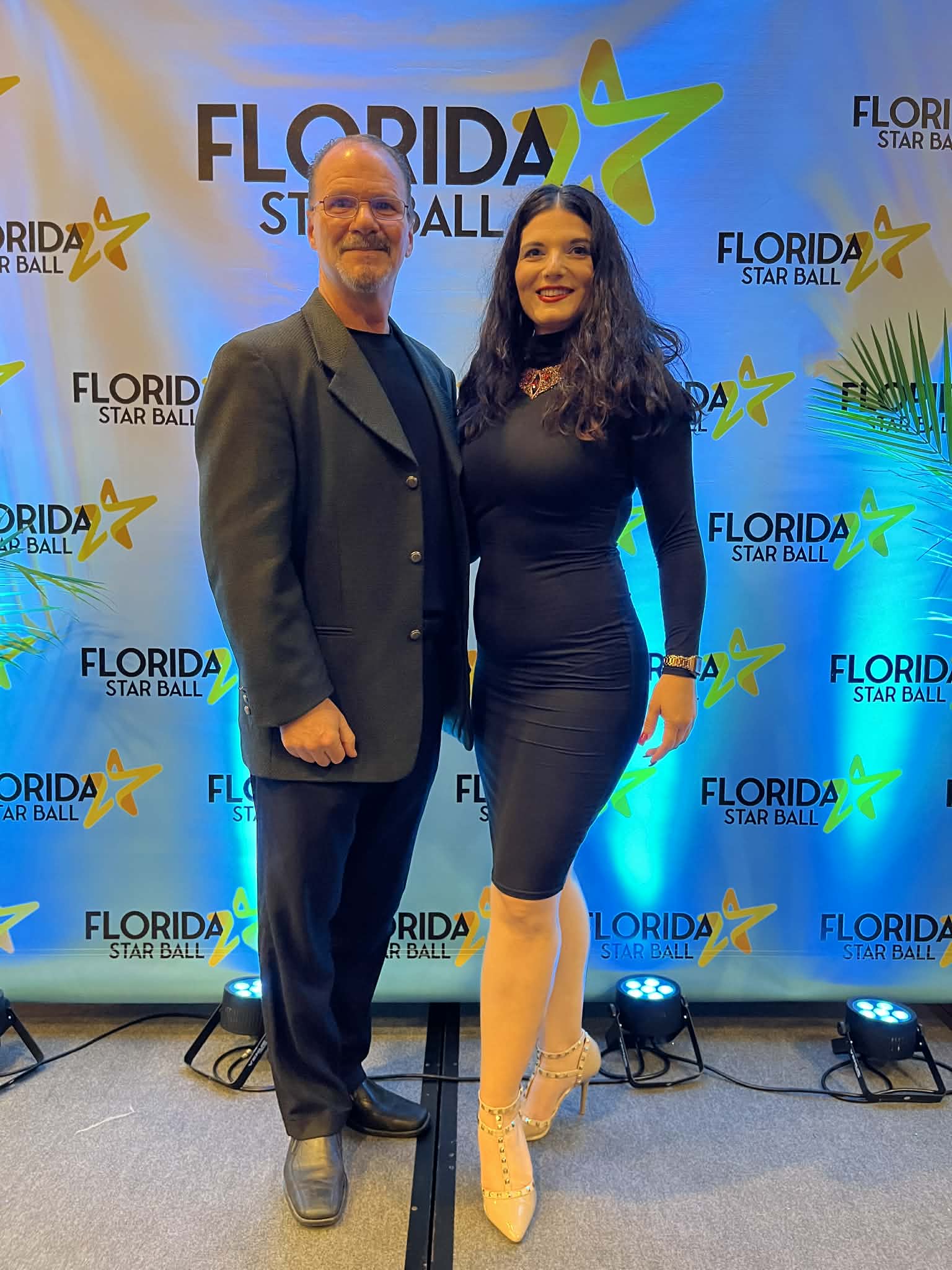 Sarah Glass and Tim Allen earn more credentials! 3/6/2026 11:56 AM On February 8, 2026 Sarah Glass and Timothy Allen Tetreault added to their already impressive qualifications. After training with Miriam Ellis, they each passed their Member level exams in International Latin, with Michael Choi as Examiner. They partnered each other, and the exams were done via Zoom. Congratulations! |
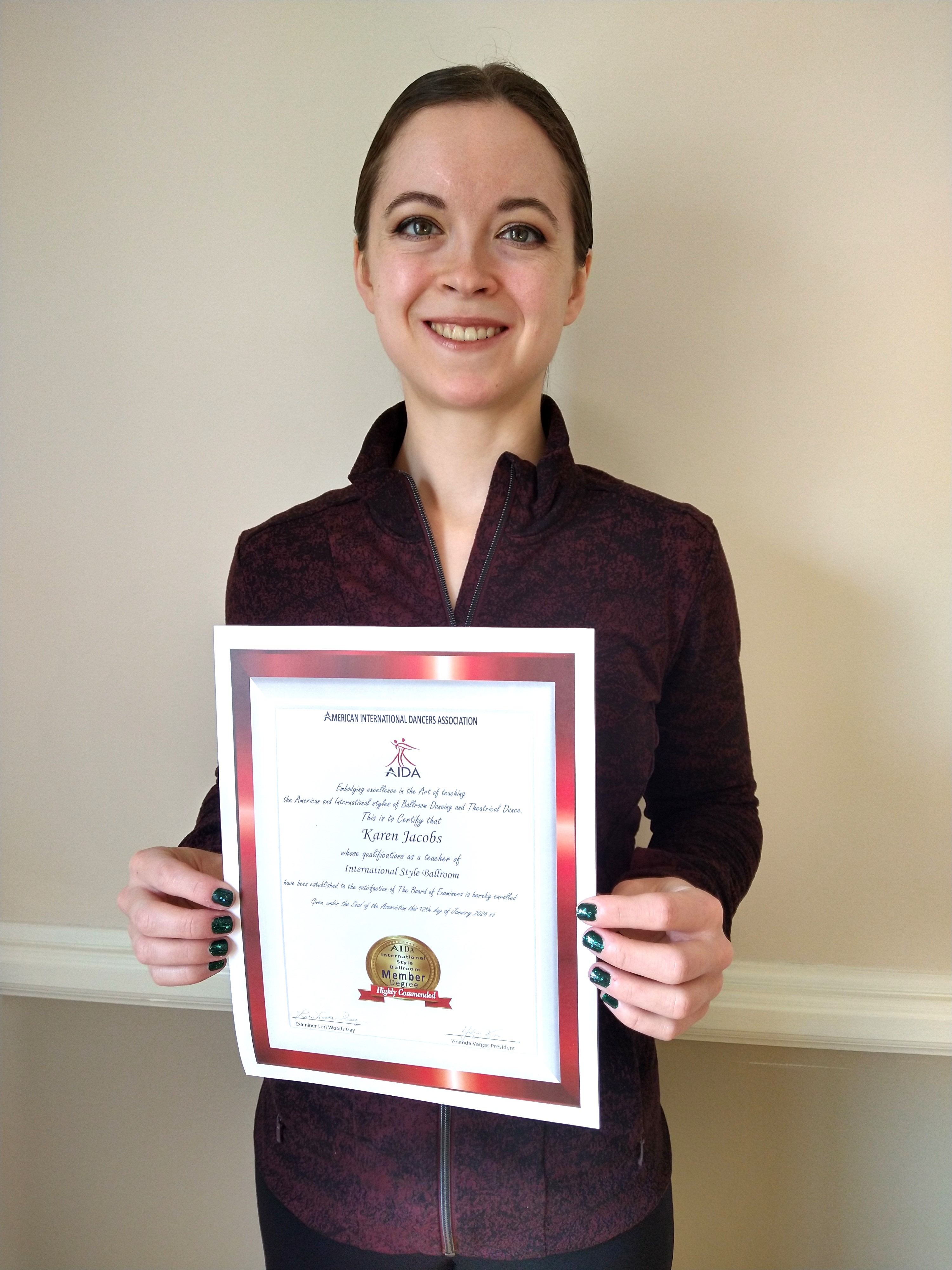 Karen Jacobs adds to her qualifications 2/13/2026 1:44 PM On January 12, 2026 Karen Jacobs added to her qualifications as a Dance Teacher. She took a Member (Silver) level exam in International Ballroom, via Zoom with Examiner Lori Woods Gay, and did a great job! |
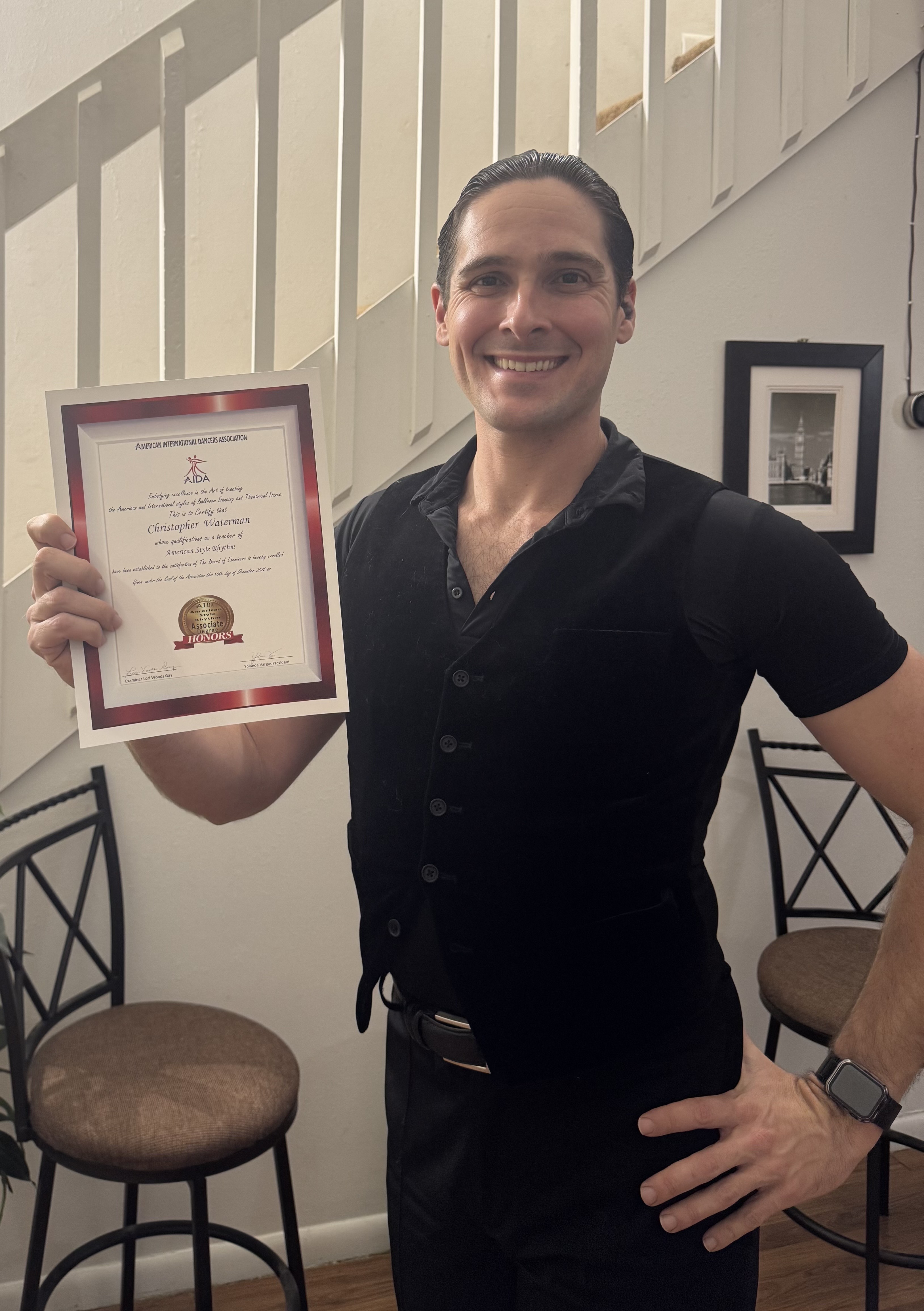 Christopher Waterman earns Honors on Rhythm exam! 1/7/2026 12:32 PM On December 16, 2025, Christopher Waterman did a spectacular job on his Associate level American Rhythm exam, earning high scores from Examiner Lori Woods Gay. USIBDA is proud to have teachers with his level of proficiency as our members. Congratulations Christopher and keep up the good work! |
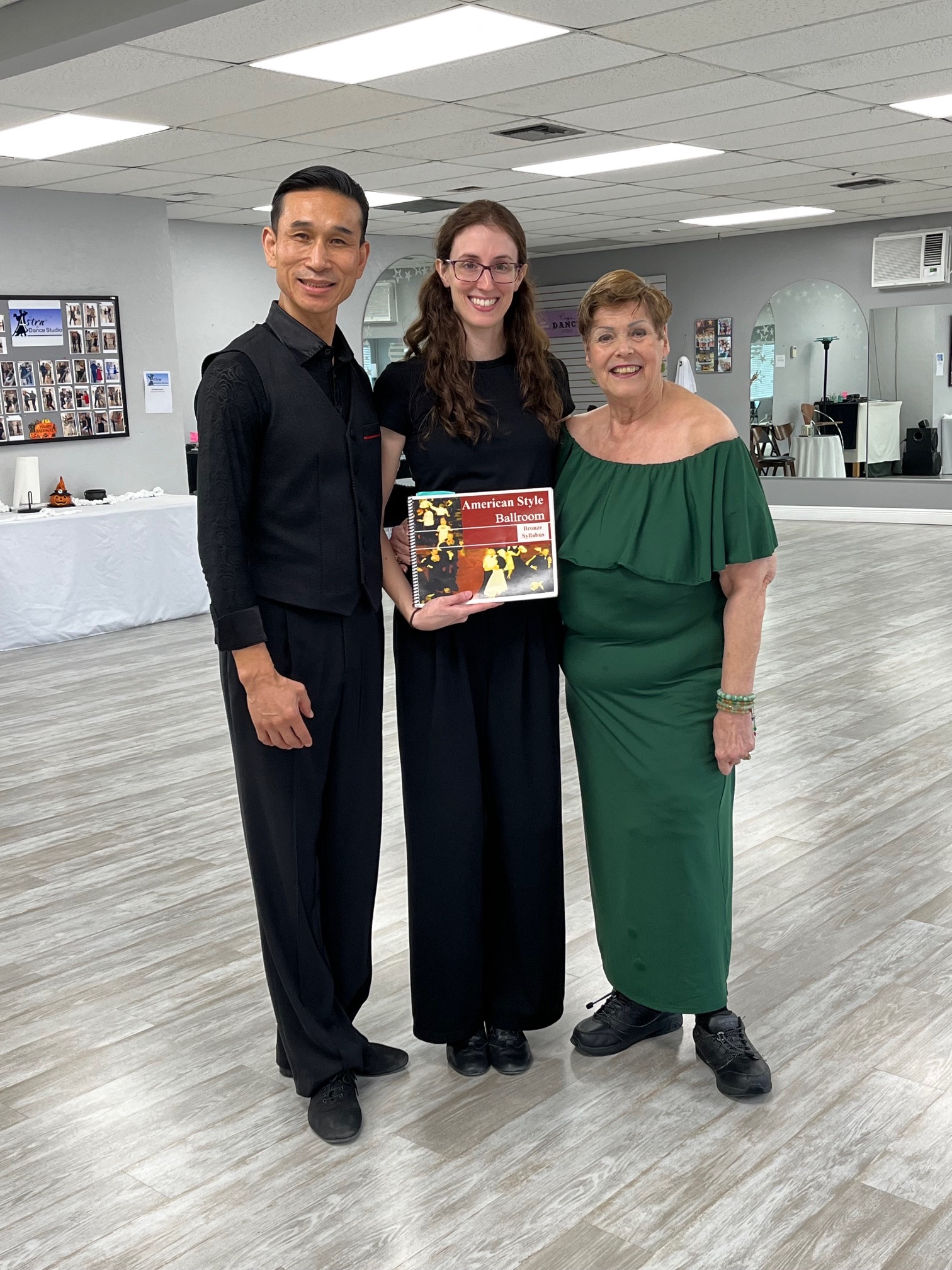 Congratulations and Welcome to Tara O'Day 11/17/2025 12:49 PM Congratulations to new USIBDA member Tara O'Day, who completed her Associate exam in American Smooth on October 25, 2025! She scored well with Examiner Esther Don. Job well done. Welcome! |
 New Exam Videos Page 2/4/2025 11:48 AM New! Check out the latest videos from our USIBDA examiners, all online and available for public viewing (no membership or login is required). If you're preparing for a medal exam, don't miss out on this valuable information! |
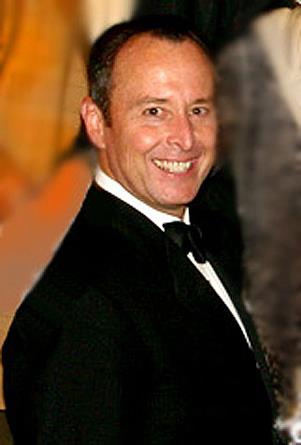 Wayne Crowder 5/27/2025 9:54 AM At the April 29th meeting of the National Committee, it was voted to award Wayne Crowder with a Lifetime Membership, in honor of his longtime service and dedication to the America International Dancers Association. Wayne and his lovely wife Marie, our Membership Director, had a highly successful amateur competitive career, where they won multiple USA Dance National Championships including Ten Dance and represented the United States at World events, after which they passed their examinations with the USIBDA in 1990 and then transitioned to USIBDA following our separation from the ISTD in 2020. Eventually after joining, Wayne went on to become a member of the National Committee, serving three terms as Executive Secretary and two terms as President and for many years was the Website Director, where he was also instrumental in developing the online store. Wayne also served on our Board of Trustees for a number of years. On behalf of the National Committee and our entire Membership, we would like to thank Wayne Crowder for all his contributions to the American International Dancers Association with this award of a Lifetime Membership. |
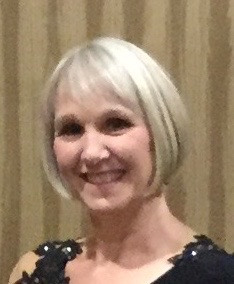 New Examinations Coordinator 1/11/2023 6:34 AM USIBDA would like to welcome Sue Martin who is now serving as our Examinations Coordinator. We are excited to have her join our team.
USIBDA would like to express our sincere gratitude to Audrey Jean who has been serving in this posiiton. We are grateful for her service and many hours of work that she has contributed to making our organization great. Thank You!
|
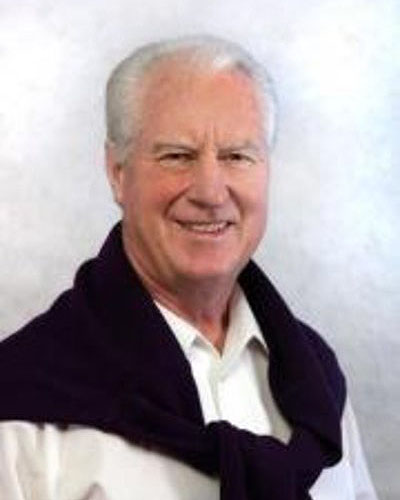 A Farewell to Rudy Trautz 11/30/2021 8:03 AM We, as with most of the Ballroom Dance world, were shocked and dismayed to hear that Mr. Rudi Trautz had passed away at his home in Germany yesterday afternoon, November 29th.
Rudi was one of the “Great Ones” in dancing; first as a competitor in both Ballroom and Latin, winning the World Championships and the British Open at Blackpool and numerous important championships on the way there. When I was an amateur competitor, I had the pleasure of seeing Rudi and his partner dance and win at Blackpool several times and felt that he had something very special even then. But it was not until he retired from competing that he truly came into his own. Rudi was a brilliant teacher, coach, performer, technician, but most of all a great champion of dance and dancers who would always go the extra mile to help a dancer that needed it, whether he knew them or not, because Rudi cared.
We have lost one of the last great gentlemen of dance, for that is exactly who and what he was. Such a nice man. Always happy to talk to dancers, talk about dancing, discuss points of technique, it was never dull to chat with Rudi, a wonderful friend. So sad that we will most likely not get to see the second book that he was working on after his marvelous ‘Ballroom Technique’ was published to much acclaim.
Our condolences must go out to Nina and his family at this very sad time, what a great loss it is to them all, the simply unthinkable has happened, and cannot be undone.
For our part, USIBDA will use the genius of his book to help us to expand the dancer’s thinking in the USA, and we will be proud to say that Rudi was one of us, even if for a very short time.
Rest well my friend, I cannot believe that I shall never chat with you again.
Judi Hatton |
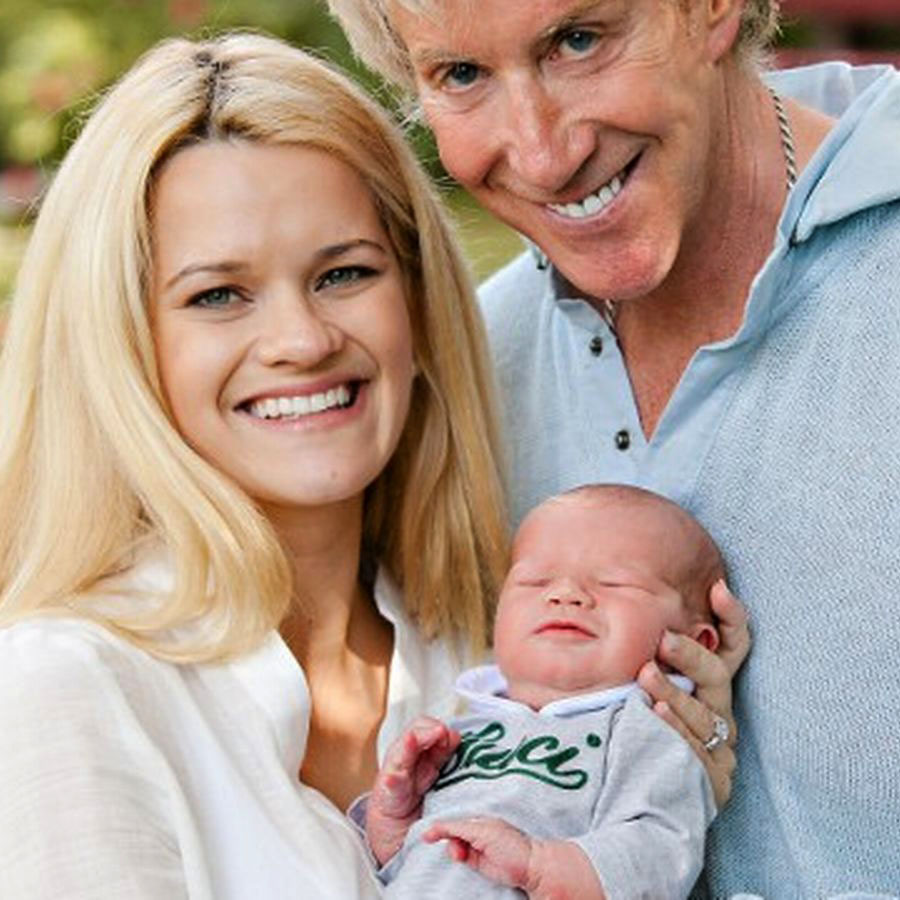 Welcome Donnie and Heidi 8/30/2021 12:00 AM Donnie Burns MBE has been cited in the World’s Top Ten Most Influential Dancers of the last century and is a 16 -time World Latin Champion with his former partner Gaynor Fairweather. Donnie was undefeated in the World’s most prestigious events for over 20 years of continuous competition, a world record in Latin Dance or any other form of Ballroom Dance and has been cited in the Guinness Book of World Records for holding these titles for over two decades! On his competitive retirement he was honoured by appointment as MBE. He is now President of the World Dance Council and has coached several World Professional and World Latin Champions. There is no doubt that he is one of the most legendary and revered champions of all time. He has has been considered the “Michael Jordan“ of Latin American dancing and is the most successful male Latin dancer of all time! Heidi (Groskreutz) Burns holds five US Open and World Swing Dance Champion titles along with her former partner Benji Schwimmer. She was a finalist in “So You Think You Can Dance,” and was brought back again for the 100th special having been in some of the show’s most memorable and successful Emmy Award winning dances. Her TV credits include being the only featured dance couple on Fox’s “Live New Years Eve Special” as well as the “Teen Choice Awards”, a talent scout for ABC and a choreographer for HBO, to name a few. Her training is in various forms of dance including ballet, jazz, and tap however her specialty is in Latin and Swing. For several years now the focus of her career has been coaching and choreographing for the most elite dancers this world has to offer including the World Latin Champions from Junior to Professional and other couples in the top 6 and 12 in the world in both Professional and Amateur fields. |
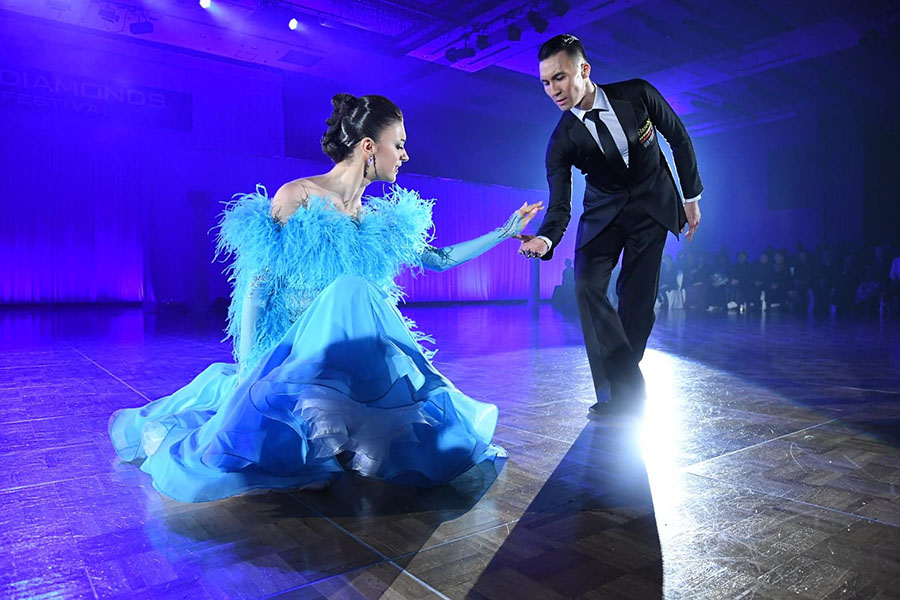 Welcome Victor and Anastasia 8/23/2021 12:00 AM Victor Fung and Anastasia Muravyeva began their professional partnership in November 2009. In a very short time they began performing shows and competing at world class competitions. Their similar styles, understanding of dance, and matching philosophies have made their partnership one of the most successful in today's modern era. Anastasia was born in St. Petersburg, Russia and began dancing at the age of 3. She was previously the Russian and Ukranian champion before moving to America in 2005, where she was recognized for her talent, beauty, and abilities. Victor was born in Los Angeles, California where he began dancing at the age of 9. He has always represented America and has enjoyed success including being 8-times US Amateur Standard Champion. In their few short years of dancing together, Victor and Anastasia have achieved much success in their dancing career. They have challenged and achieved the highest honors in all major championships worldwide. Their style is unique and has influenced the ballroom dancing industry in a way that no other couple has done. Together they bring the class and quality of the past while also pursuing new dimensions of dancing into the future. Victor and Anastasia's objective is to inspire, enlighten, and move people through the art of dance. They aim to touch people's hearts by bringing them into our passionate world of dance, to lift people's spirits and allow them to experience the joy and passion of dance. USIBDA is proud to have Victor and Anastasia as our newest members and Examiners Emeritus! Professional Standard Championship Titles
|
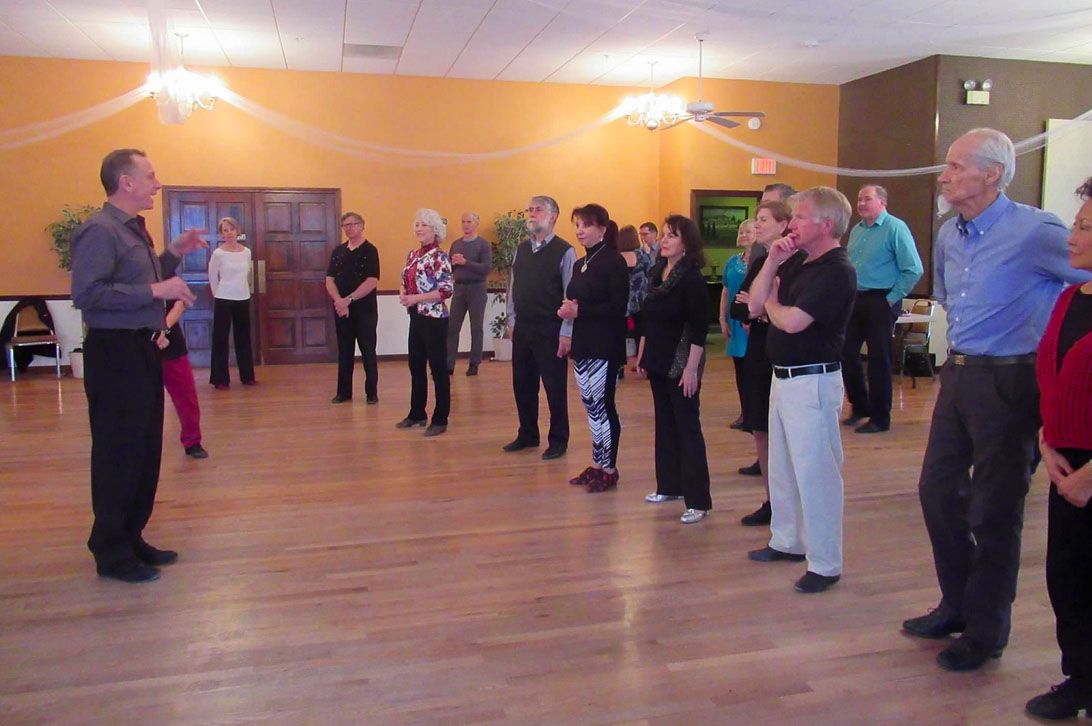 Announcing the Albany Chapter 8/17/2021 1:46 PM The Albany Upstate Chapter was the first local chapter in the country to be formed and accepted into the organization, first as the USISTD, and now as USIBDA, the United States & International Ballroom Dancers Association. |
 2021 Congress 5/2/2021 5:14 PM |
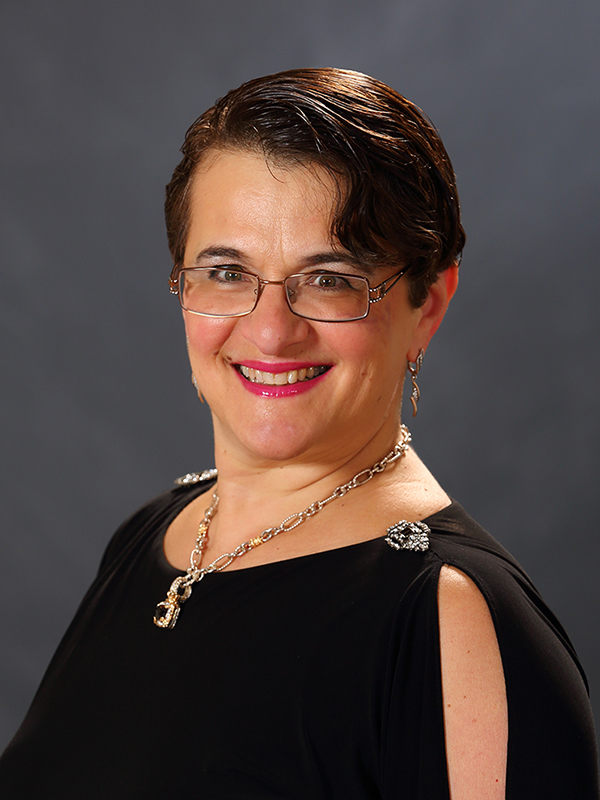 Introducing Our Newest Examiner 5/2/2021 5:10 PM |